
Dealer Profitability Strategies 2026: Navigating the Perfect Storm for Thriving Automotive Dealerships
As the automotive industry faces significant challenges in 2026, dealerships must adapt to survive and thrive. This article explores essential strategies for enhancing dealer profitability amidst economic uncertainties and evolving consumer behaviors. By focusing on optimizing Finance and Insurance (F&I) practices, implementing strategic reinsurance structures, and leveraging digital solutions, dealerships can navigate these complex conditions effectively. Readers will learn about advanced F&I techniques, the benefits of reinsurance, and how to manage subprime auto loan risks. Additionally, we will discuss the role of digital tools and AI in improving operational efficiency, as well as strategies for adapting to market changes.
How Can Dealers Optimize F&I Practices to Maximize 2026 Profitability?
Optimizing F&I practices is crucial for enhancing dealership profitability in 2026. Effective F&I strategies not only increaserevenue but also improve customer satisfaction and retention. By focusing on comprehensive training and digital integration, dealerships can maximize their F&I product penetration and overall profitability.
What Are the Best Automotive F&I Product Training and Development Techniques?
Our white label link building services are the best option for agencies looking for quality, scalability, and convenience. We create SEO optimized, fresh content that performs well in search rankings and boosts your clients’ site authority. All of our backlinks come from authoritative publishers. We’ll secure the quantity you need and in the right time frame.
- Interactive Workshops: Engaging workshops that simulate real-life scenarios help finance managers practice their sales techniques and product knowledge.
- Online Learning Modules: Flexible online courses allow staff to learn at their own pace, covering essential topics such as compliance, product features, and customer engagement strategies.
- Role-Playing Exercises: Practicing sales pitches through role-playing can enhance confidence and improve communication skills, leading to better customer interactions.
These training methods significantly impact sales performance by ensuring that finance managers are well-prepared to meet customer needs and close deals effectively.
How Does Digital F&I Integration Enhance Dealer Profitability?
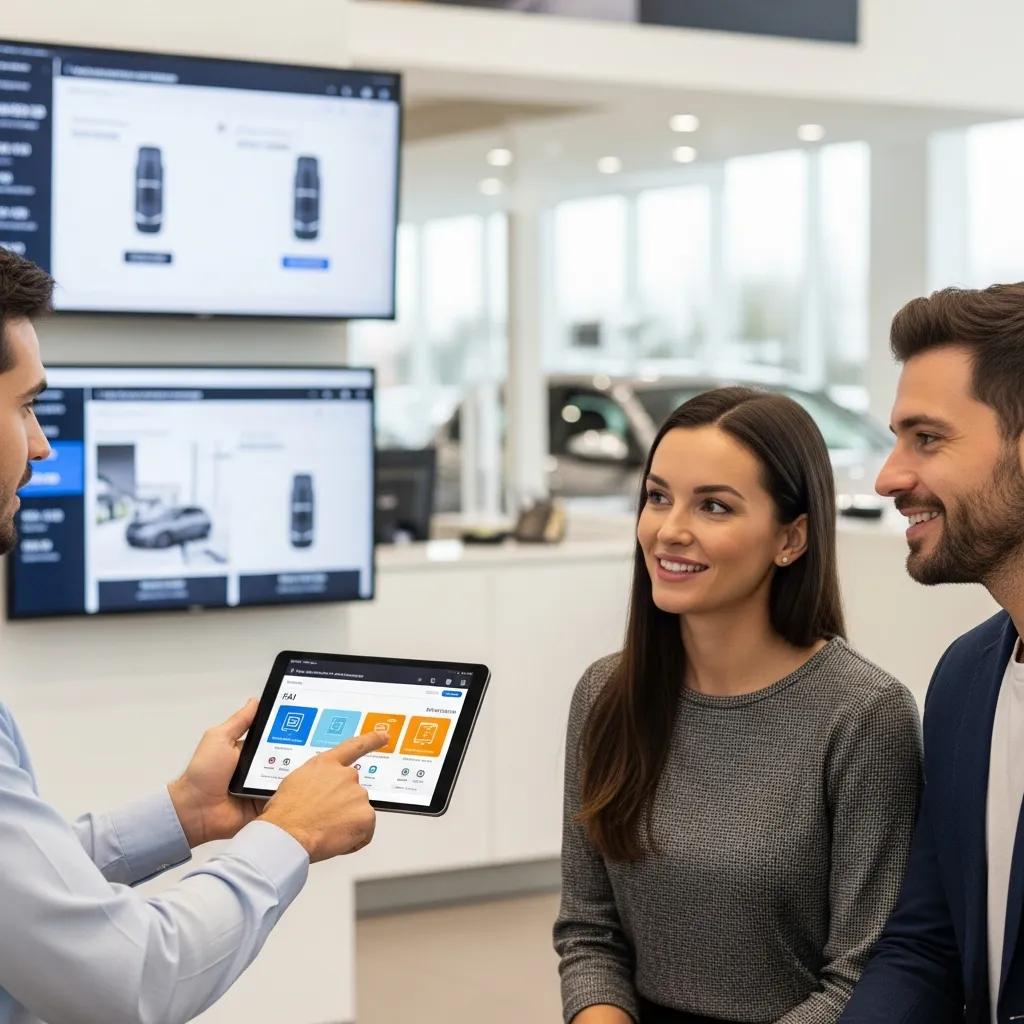
Digital F&I integration streamlines the sales process and enhances profitability by providing a seamless customerexperience. Key benefits of digital integration include:
- Increased Efficiency: Digital tools automate paperwork and reduce processing times, allowing finance managers to focus on customer engagement.
- Enhanced CustomerExperience: Online platforms enable customers to explore F&I products at their convenience, leading to more informed purchasing decisions.
- Data-Driven Insights: Digital systems provide valuable analytics that help dealerships understand customer preferences and optimize their F&I offerings.
By leveraging digital solutions, dealerships can improve operational efficiency and drive higher profitability.
F&I Direct specializes in helping dealerships enhance their profitability through optimized F&I strategies and comprehensive training programs. Their expertise in developing tailored training solutions ensures that finance managers are equipped to maximize revenue opportunities.
What Strategic Reinsurance Structures Can Shield Dealerships in 2026?
Reinsurance structures play a vital role in protecting dealerships from financial risks while maximizing profitability. Understanding the various reinsurance options available can help dealers make informed decisions that align with their business goals.
To further understand the foundational concepts of reinsurance, it’s helpful to consider its various structural arrangements and risk transfer mechanisms.
Reinsurance Structures & Risk Transfer for Dealerships
Reinsurance is a contract between a primary insurer and one or several reinsurers, who may use retrocession contracts to cede risk even further. The first part of this thesis embraces the issues arising from reinsurance transactions, first of all, the principal arrangement methods of reinsurance, facultative cover and treaties based on either proportion or non-proportion. Proportional reinsurance agreements can be divided into quota share and surplus cover; as well as combined quota share and surplus cover. Non-proportional reinsurance agreements can be divided into excess of loss cover and excess of loss ratio cover (stop loss reinsurance). Secondly, several issues of reinsurance, including the insurance interest on reinsurance, utmost good faith applied to reinsurance transactions, incorporation by reference and the clauses in common use, are stated and resolutions investigated.
The development from traditional reinsurance to alternative risk transfer in current law, 2007
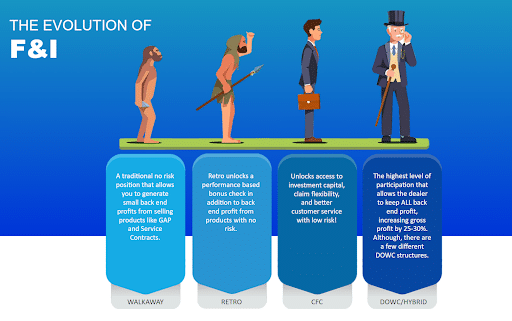
How Do DOWC, CFC, and Retro Reinsurance Programs Differ and Benefit Dealers?
Different reinsurance programs offer unique benefits that can significantly impact a dealership‘s financial health. Here’s a comparison of three common structures:
| Reinsurance Program | Description | Key Benefits |
|---|---|---|
| DOWC (Dealer Owned Warranty Company) | A program where dealers own the warranty company, allowing them to retain profits. | Higher profit margins and control over warranty claims. |
| CFC (Captive Finance Company) | A financing entity owned by the dealership to provide loans to customers. | Increased customer loyalty and retention through in-house financing options. |
| Retro Programs | Reinsurance programs that return a portion of premiums based on claims experience. | Potential for profit sharing and reduced risk exposure. |
Each of these programs offers distinct advantages, allowing dealerships to tailor their approach to riskmanagement and profitability.
What Are the Tax Advantages and Wealth Creation Opportunities of Dealer Reinsurance?
Dealer reinsurance structures can provide substantial tax benefits and wealth creation opportunities. Key advantages include:
- Tax Deductions: Premiums paid into reinsurance programs can often be deducted as business expenses, reducing taxable income.
- InvestmentIncome: Funds held within reinsurance programs can be invested, generating additional income streams for the dealership.
- Long-Term Wealth Building: Successful reinsurance strategies can lead to significant profit accumulation over time, enhancing the dealership‘s financial stability.
F&I Direct’s expertise in dealership reinsurance structures, including DOWC, CFC, and Retro programs, can help dealers maximize their underwriting profits and investmentincome.
How Should Dealers Manage Subprime Auto Loan Risks in a Volatile Market?
Managing subprime auto loan risks is critical for dealerships operating in a volatile market. Effective strategies can mitigate risks while ensuring that dealerships remain profitable.
What Are Advanced SubprimeCustomer Qualification and Risk Mitigation Strategies?
Advanced qualification techniques for subprime customers can significantly reduce risk. Key strategies include:
- Comprehensive Credit Analysis: Utilizing advanced credit scoring models to assess the likelihood of default more accurately.
- Income Verification: Implementing strict income verification processes to ensure that customers can afford their loans.
- Flexible Financing Options: Offering tailored financing solutions that accommodate varying credit profiles, thus expanding the customer base while managing risk.
These strategies help dealerships identify high-risk customers and implement appropriate measures to mitigate potential losses.
How Can Dealers Educate Subprime Buyers to Improve Loan Performance?

Educating subprime buyers is essential for improving loan performance and reducing default rates. Effective educational methods include: blog
- Financial Literacy Workshops: Hosting workshops that teach customers about credit, budgeting, and responsible borrowing can empower them to make informed financial decisions.
- Personalized Consultations: Providing one-on-one consultations to discuss financing options and repayment plans helps build trust and understanding.
- Ongoing Support: Offering continuous support throughout the loan term can help customers navigate challenges and maintain their payments.
By investing in customer education, dealerships can foster stronger relationships and improve loan performance.
In What Ways Can Digital F&I Solutions and AI Improve Dealership Operational Efficiency?
Digital F&I solutions and AI technologies are transforming dealership operations by enhancing efficiency and streamlining processes.
How Does AI-Powered F&I Decisioning Transform Dealership Workflows?
AI-powered decisioning tools analyze customerdata to provide personalized F&I product recommendations. This technology enhances workflows by:
- Reducing Processing Times: Automating decision-making processes speeds up the approval of financing applications.
- Improving Accuracy: AI minimizes human error in data entry and analysis, leading to more accurate assessments of customer eligibility.
- Enhancing Customer Engagement: Personalized recommendations based on AI insights can improve customer satisfaction and increasesales.
The integration of AI in F&I processes allows dealerships to operate more efficiently and effectively.
The broader impact of AI-powered decision intelligence extends beyond F&I, fundamentally transforming enterprise operations and strategic planning.
AI Decision Intelligence for Financial Risk Management
The integration of AI-powered decision intelligence systems in enterprise environments represents a transformative shift in business operations and strategic planning. This advancement addresses the limitations of traditional decision-making frameworks by introducing sophisticated machine learning algorithms, knowledge graphs, and cognitive automation capabilities. Through systematic implementation strategies, enterprises across financial services, manufacturing, and IT sectors have achieved substantial improvements in operational efficiency, risk management, and customer satisfaction. The incorporation of AI-driven systems has revolutionized fraud detection, supply chain optimization, and incident resolution processes.
AI-Powered Decision Intelligence in Enterprise Systems Engineering: A Framework for Next-Generation Business Operations, 2025
What Are the Benefits of Automating Dealership Processes and DigitalRetail Transformation?
Automating dealership processes offers numerous benefits, including:
- Cost Savings: Reducing manual labor through automation can lower operational costs significantly.
- Improved CustomerExperience: Streamlined processes lead to fasterservice and enhanced customer satisfaction.
- DataManagement: Automation facilitates better data collection and analysis, enabling dealerships to make informed business decisions.
Digital transformation is essential for dealerships looking to remain competitive in the evolving automotive landscape.
How Can Dealers Adapt to Economic Headwinds and Market Changes in 2026?
Adapting to economic headwinds and market changes is crucial for dealership survival in 2026. Implementing effective strategies can help dealerships navigate these challenges successfully.
What Strategies Address Consumer Affordability and the Growing Used CarMarket?
To address consumer affordability, dealerships can implement strategies such as:
- Flexible Financing Options: Offering a range of financing solutions that cater to different budgets and credit profiles.
- Promotional Offers: Implementing limited-time promotions and discounts to attract price-sensitive customers.
- Used CarInventory Expansion: Increasing the availability of certified pre-owned vehicles to meet the growing demand for affordable options.
These strategies can help dealerships capture a larger share of the market while addressing consumer needs.
How Can InventoryManagement and Staffing Build Resilient Dealership Operations?
Effective inventorymanagement and staffing are essential for building resilient dealership operations. Key practices include:
- Data-Driven InventoryManagement: Utilizing analytics to optimizeinventory levels and reduce holding costs.
- Cross-Training Staff: Ensuring that employees are trained in multiple roles can enhance flexibility and responsiveness to market changes.
- Regular Performance Reviews: Conducting performance evaluations to identify areas for improvement and ensure that staffing aligns with business goals.
By focusing on these areas, dealerships can create a more resilient operational framework that can withstand economic fluctuations.
Frequently Asked Questions
What role does customer education play in dealership profitability?
Customer education is vital for enhancing dealership profitability, particularly in the context of financing and insurance products. By providing financial literacy workshops and personalized consultations, dealerships empower customers to make informed decisions. This not only builds trust but also improves loan performance and reduces default rates. Educated customers are more likely to understand their financing options, leading to higher satisfaction and retention rates, ultimately contributing to the dealership’s bottom line.
How can dealerships leverage data analytics for better decision-making?
Data analytics can significantly enhance decision-making processes in dealerships. By analyzing customer data, dealerships can identify trends, preferences, and behaviors, allowing them to tailor their offerings effectively. This data-driven approach helps in optimizing inventory management, improving customer engagement, and refining marketing strategies. Additionally, analytics can provide insights into the performance of F&I products, enabling dealerships to make informed adjustments that align with market demands and consumer needs.
What are the implications of economic fluctuations on dealership operations?
Economic fluctuations can have profound implications for dealership operations, affecting everything from inventory management to customer purchasing behavior. During economic downturns, consumer spending typically decreases, leading to a shift in demand for vehicles, particularly used cars. Dealerships must adapt by implementing flexible financing options and promotional strategies to attract price-sensitive customers. Additionally, maintaining a lean inventory and optimizing staffing can help dealerships navigate these challenges and remain profitable in volatile markets.
How can technology improve customer engagement in dealerships?
Technology plays a crucial role in enhancing customer engagement within dealerships. Digital tools, such as online platforms for exploring F&I products, allow customers to interact with offerings at their convenience. AI-driven solutions can provide personalized recommendations based on customer data, improving the overall experience. Furthermore, automating processes reduces wait times and enhances service efficiency, leading to higher customer satisfaction and loyalty, which are essential for long-term profitability.
What are the benefits of cross-training dealership staff?
Cross-training dealership staff offers numerous benefits, including increased operational flexibility and improved customer service. When employees are trained in multiple roles, they can adapt to changing demands and fill in gaps during peak times or staff shortages. This versatility enhances team collaboration and ensures that customer needs are met promptly. Additionally, cross-training fosters a more engaged workforce, as employees gain a broader understanding of dealership operations and can contribute more effectively to overall success.
How can dealerships effectively manage their online reputation?
Managing an online reputation is critical for dealerships in today’s digital landscape. Engaging with customers through social media, responding to reviews, and maintaining an active online presence can significantly influence public perception. Dealerships should encourage satisfied customers to leave positive reviews and address any negative feedback promptly and professionally. By showcasing customer testimonials and success stories, dealerships can build trust and credibility, ultimately attracting more potential buyers and enhancing profitability.